
What is smart home? Definition, uses, etc.
Everyone talks about Smart home. It is at the centre of conversations. But do you really know what's behind that word? Finally it's simple, it can be summarized in 3 words.
What a strange question you will ask me! Well, on closer inspection, not so much! Indeed, the term Smart home, widespread and more and more known nowadays, often tends to be popularized.
Through this article, which is a continuation of my previous article How to get started in Smart home? The purpose of this first one was to help you choose a Smart home box that suits you. Today, I propose that you come back to the fundamentals. What is Smart home really? A more global version to start with, then I will give you my vision of Smart home. Finally, if you also wish to express your opinion on the subject. We can discuss this in the commentary where you can share with us your vision of Smart home.
Smart home: let's start by laying the foundations
First of all, let's start with the essential, the basis, the definition of the word smart home.
Contraction of the Latin domus which means house and the word computer
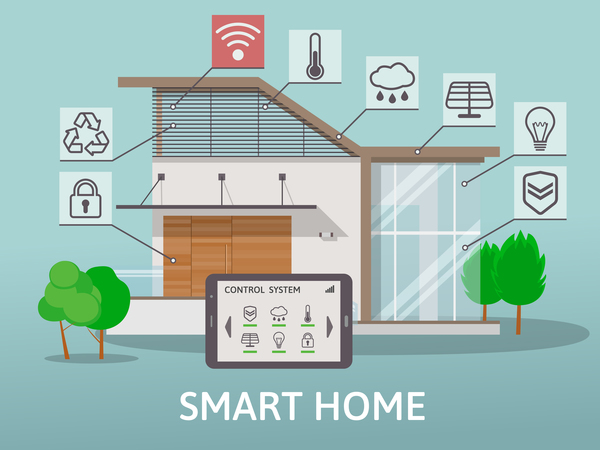
All the techniques aimed at integrating all automation systems in the home in terms of safety, energy management, communication, etc.
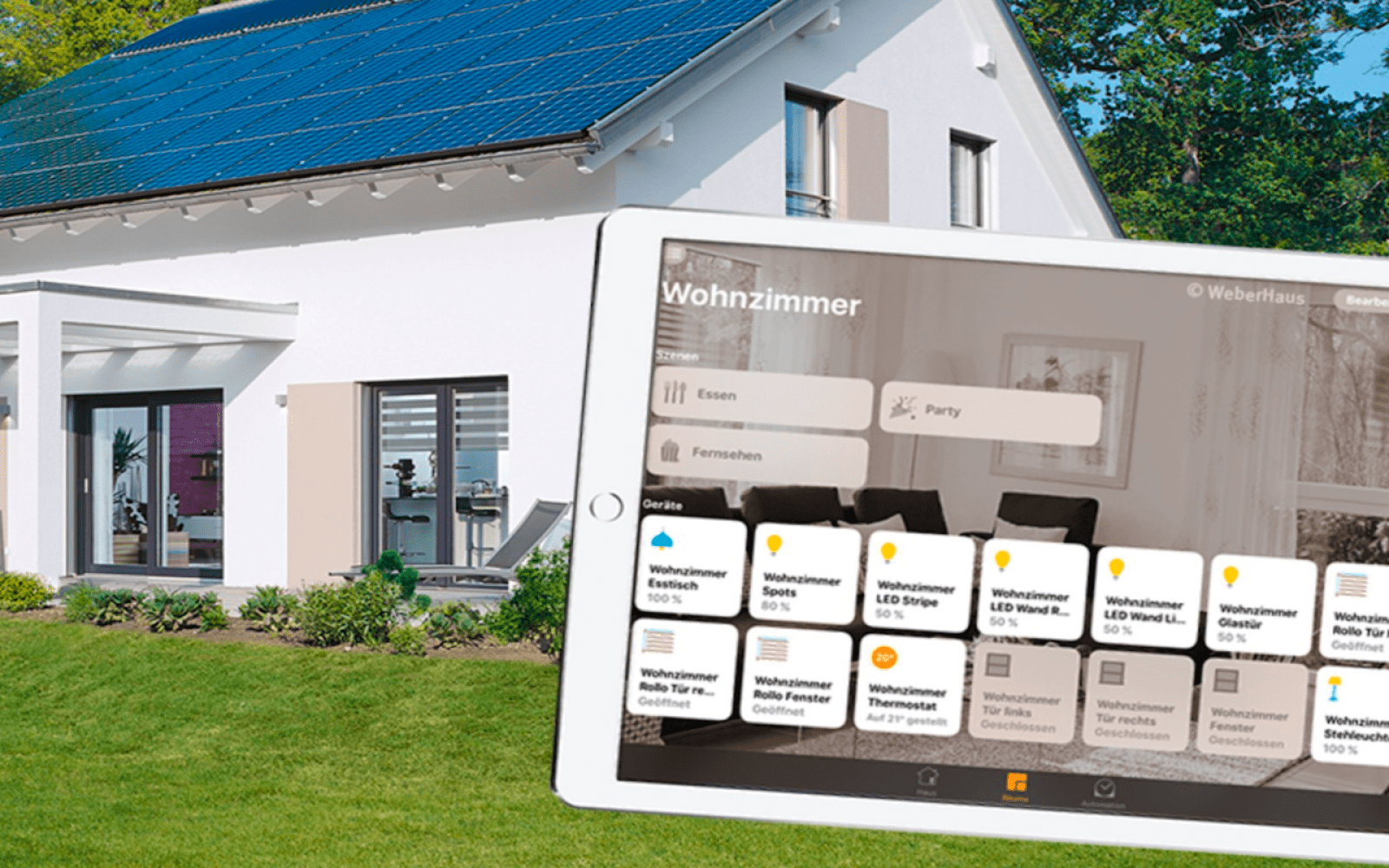
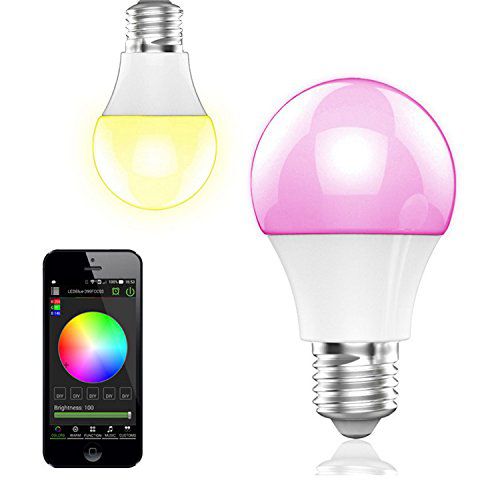
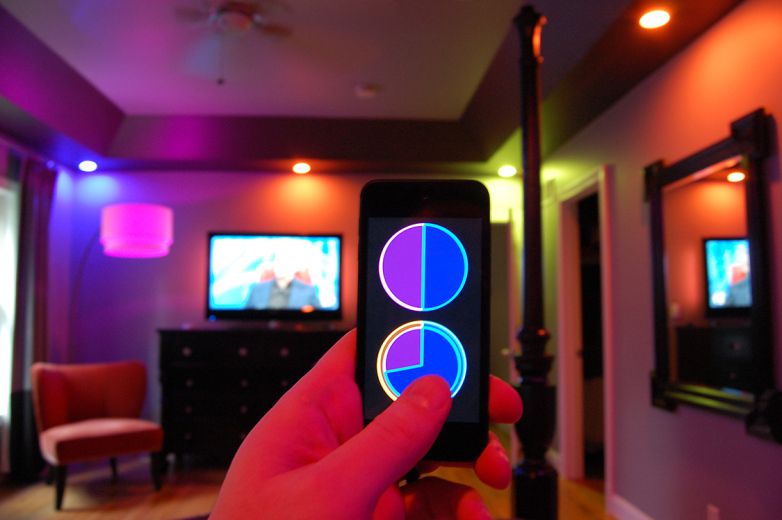
So far, nothing new, smart home has been reduced to that, making a house intelligent and automatic. However, more and more drifts are appearing here and there. For some, smart home is simply a matter of triggering a remote connection from a smartphone. Switch on a light from an application rather than by the traditional switch. Increase the temperature of the house from an application or lower all the shutters in the house at once by pressing a remote control.
Yes, it is certainly the beginning of what is more commonly called the "smart home" but the real definition of smart home is above all an intelligent and autonomous house. By this I mean a house that manages itself and acts for us, according to our habits, without having to ask it via an application.
The smart home is the one that protects you from thieves or domestic accidents, that also protects your comfort and makes you save money, all without any action on your part. It is a house that switches the heating to comfort mode during your hours of presence, thus contributing to your comfort but also to savings, since the rest of the time, it will take care of switching the set point to a lower temperature.
It is also a smart home system that will turn on the lights for you when you are in a room or when it gets dark outside. She will also be able to open and close the shutters by herself according to the external light and your habits.
At that moment, folks, we can really talk about smart home with a big D. An intelligent and autonomous house that anticipates your needs and desires around the 3 historic posts.
Smart home is effectively structured around three main axes: Safety, Energy and Comfort!
Smart home: security
So yes, some will say that a smart home system will never replace an autonomous alarm system. It is true, however, that Smart home still makes it possible to build a complete and efficient alarm system at a lower cost. Of course, this alarm will not be insensitive to frequency interference, for example. But you can for example detect the interference and be alerted via a few rules. This alarm will also communicate, push notification, sms, phone call, slack message, telegram or tweet!
It is also about safety in the home. Domestic accidents are still too numerous in our homes. A fire starts very quickly, detectors connected to the Smart home system with the appropriate scenarios can clearly save lives. With smart home, it is very easy on this type of detection to activate the lights, open the gate and shutters and unlock the lock in order to get out of the house very quickly.
Smart home: energy savings
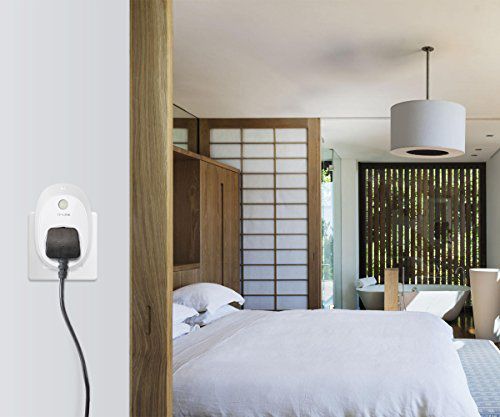
Being able to automatically control all the electrical sources in the house and know their consumption at time T and/or cumulative, will indeed play a very important role in the expenses incurred. It's not just electricity that you will tell me, and you're absolutely right! Did you know that in France the average annual consumption of one household per year and 150m3.
Water is also an important energy source. Smart home also helps you to control this consumption with connected meters. It will also be a valuable help in alerting you to possible leaks on your home network, which is also a source of important invoices. Finally, gas, for heating or food. Gas consumption can also be controlled and controlled by smart home.
Energy therefore has no secret for smart home, it is obvious that the savings made will be fast and sustainable.
Smart home: comfort
Last but not least, comfort is the basis of smart home, centralization of shutters, gate that opens when you are within 200m of the house, heating that adapts to our lifestyle, lights that turn on and off by themselves...
Smart home knows how to do all this and it does it very well. Nowadays, the days are not long enough to do all the things we have to do. The smart home knows how to support us and help us in our daily lives. It becomes autonomous and communicative. She anticipates your actions by learning from your habits and communicates with you when you need it.
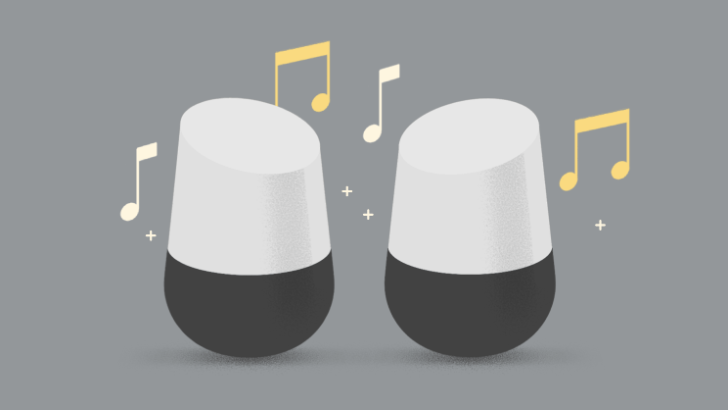
Talk to her, she answers you. Do you want to know how long it takes to get to work? Ask her while you're having lunch, she'll tell you. You will adapt your time according to his answer. Do you sometimes forget to take out the garbage? She will be able to warn you the evening before so that you don't miss the day of pick-up... There are many examples...
Connected objects and Smart home
The IoT (Internet of Things), or Internet of Things, is currently on the rise, it is certainly only the beginning. It's very simple: these objects are so successful that there is something for everyone. Balance that draws up a complete analysis of your body, connected watch that becomes a sports coach, household robot, sleep analyzer, light bulb, plant monitor, weather station... And even unnecessary or even crazy completions such as sextoy, baby diaper, cutlery, cigarette, barbecue...
Useful or not... there are many of them, a connected object is an application on a smartphone or tablet to manage it or simply consult its data. By dint of this, it simply becomes unmanageable, saturates the phone and between us, do you often consult your applications? Personally, it has become daunting and using to switch between applications.
Fortunately, the smart home is there, these objects are important data sources for the system if they are used properly. Integrated into the smart home box, they can be used to interact with the different scenarios, making them even more precise. And as a bonus, no need to consult the applications, everything will be centralized in one place, the smart home box!
Conclusion, then what is Smart home?
It is a powerful automation system, it improves the comfort and safety of the home and saves money! Beautiful! Beautiful! But smart home requires meticulous and precise programming to make the house a "smart home". By that I mean a house that will be able to manage itself automatically. Without the user having to do anything about it.
This requires work, a lot of work at the beginning, but essential and essential work to achieve the expected result. But once done, you won't have to worry about the heating set point, the task of opening and closing shutters, forgetting a light when you go to work or even the classic... "Honey, did you lock the door and turn it off when you left? " (when you arrive at the holiday destination). Reassuring, caring, reassuring... so many words that could define it... Smart home is all this, if you choose the box that corresponds to your profile and your expectations AND that you program the key scenarios that will make you forget it and that you will enjoy the time saved for so many other things in life.